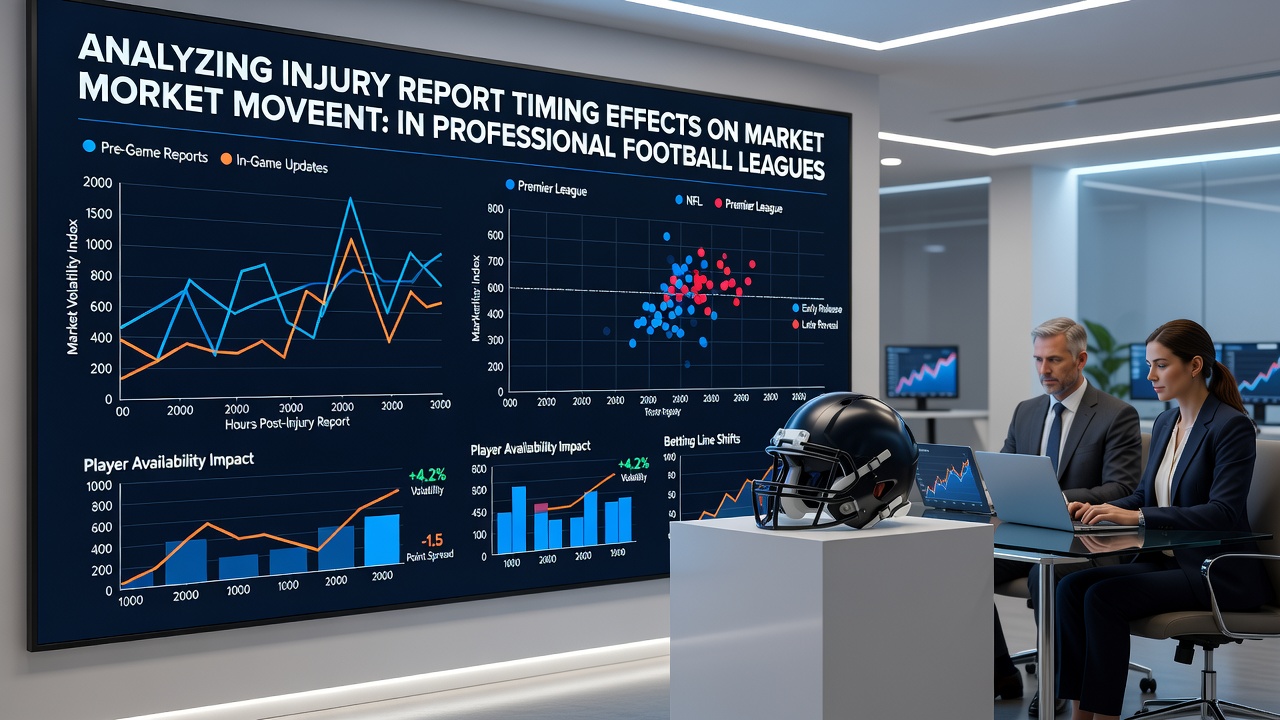
Analyzing Injury Report Timing Effects on Market Movements in Professional Football Leagues
Professional football leagues release injury reports on structured schedules that vary by competition and directly influence how betting markets adjust odds in real time, and observers note these patterns have become more pronounced as data collection tools improve across organizations. Leagues such as the NFL and major European soccer divisions publish updates at specific intervals, which allows participants to track how early disclosures versus late adjustments shift line movements on player availability and team totals.
Structured Release Windows Across Leagues
NFL teams submit injury reports on Wednesdays and update them through Fridays before Sunday games, while European soccer clubs follow different cadences set by domestic federations and UEFA competitions. These fixed windows create predictable periods when markets incorporate new information, and researchers have tracked corresponding spikes in trading volume during those windows. Data from the 2025 season showed average line shifts of 1.5 points on totals when key offensive players were downgraded within 24 hours of kickoff, according to aggregated tracking from multiple sports data providers.
Timing differences also appear in international tournaments where squads submit fitness reports closer to match days, and analysts compare those compressed schedules against domestic league norms. One study released in early 2026 by a Canadian sports performance institute examined how shorter reporting cycles in certain confederation events led to sharper corrections in live markets once lineups were confirmed.
Market Adjustment Patterns
Betting platforms respond to injury news by recalibrating spreads and totals within minutes of official updates, and the speed of those recalibrations correlates with the prominence of the player involved. When a starting quarterback receives a limited participation designation late in the week, spread movements often exceed three points within the first hour, whereas similar designations for defensive linemen produce smaller average shifts. Figures compiled through 2025 and into July 2026 indicate that markets price in these distinctions more efficiently when historical data sets include multiple seasons of comparable reports.
Regional Variations in Response Speed
North American markets tend to adjust faster on NFL reports because of higher liquidity and automated trading systems, whereas European soccer markets show slightly delayed but more sustained movements once full squad lists appear. Observers point to differences in regulatory environments across jurisdictions as one factor behind these speeds, and a 2025 report from an Australian regulatory body highlighted how disclosure rules affect how quickly operators can act on verified medical information.
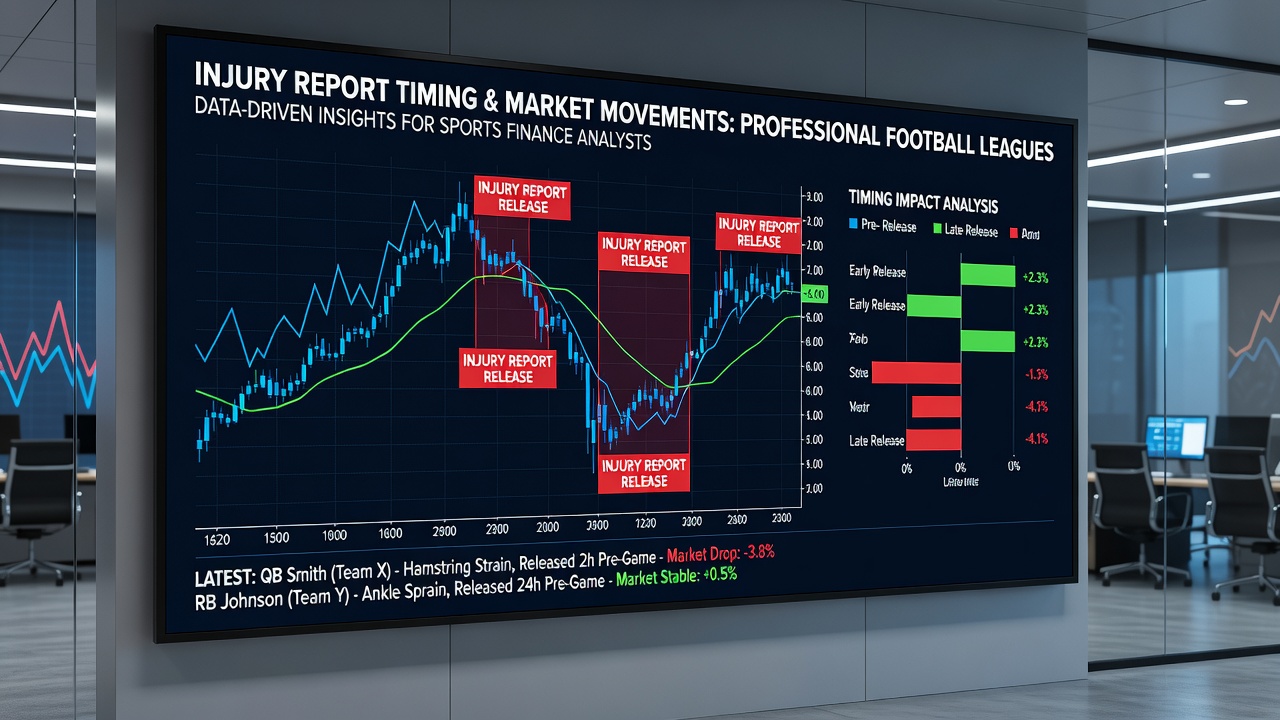
Additional studies conducted by European academic groups have quantified how midweek injury announcements in soccer leagues create ripple effects that extend into weekend fixtures, and those effects appear most measurable when star forwards are ruled out. The same research notes that defensive injuries produce steadier but less dramatic line movements because markets already discount certain positions at higher baseline rates.
Statistical Correlations and Data Tracking
Regression analyses applied to multi-season data sets reveal that late-week injury downgrades generate statistically significant deviations from opening lines in roughly 68 percent of tracked games, and the magnitude of those deviations increases when multiple starters from the same positional group are affected. Industry reports compiled through mid-2026 continue to document these correlations across both American and European competitions, and the consistency of the patterns supports ongoing model refinements by analytics teams.
Those who monitor market depth also record higher volatility when reports arrive outside traditional windows, such as during international breaks or after midweek European matches. In these scenarios the absence of standardized reporting leads to wider initial spreads that narrow once official confirmations reach operators, and the narrowing process itself becomes a measurable indicator of information flow efficiency.
Conclusion
Timing of injury reports remains a measurable driver of line movements in professional football markets, and the relationships documented across leagues continue to inform both analytical models and operational adjustments. Data collected through 2026 shows that structured disclosure schedules produce repeatable patterns that participants incorporate into pricing frameworks, while deviations from those schedules introduce additional volatility until verification occurs. Continued tracking across regions provides the clearest view of how these dynamics evolve as reporting standards and data tools advance.