Customizing Reward Mechanisms Based on Behavioral Analytics from App Usage Data
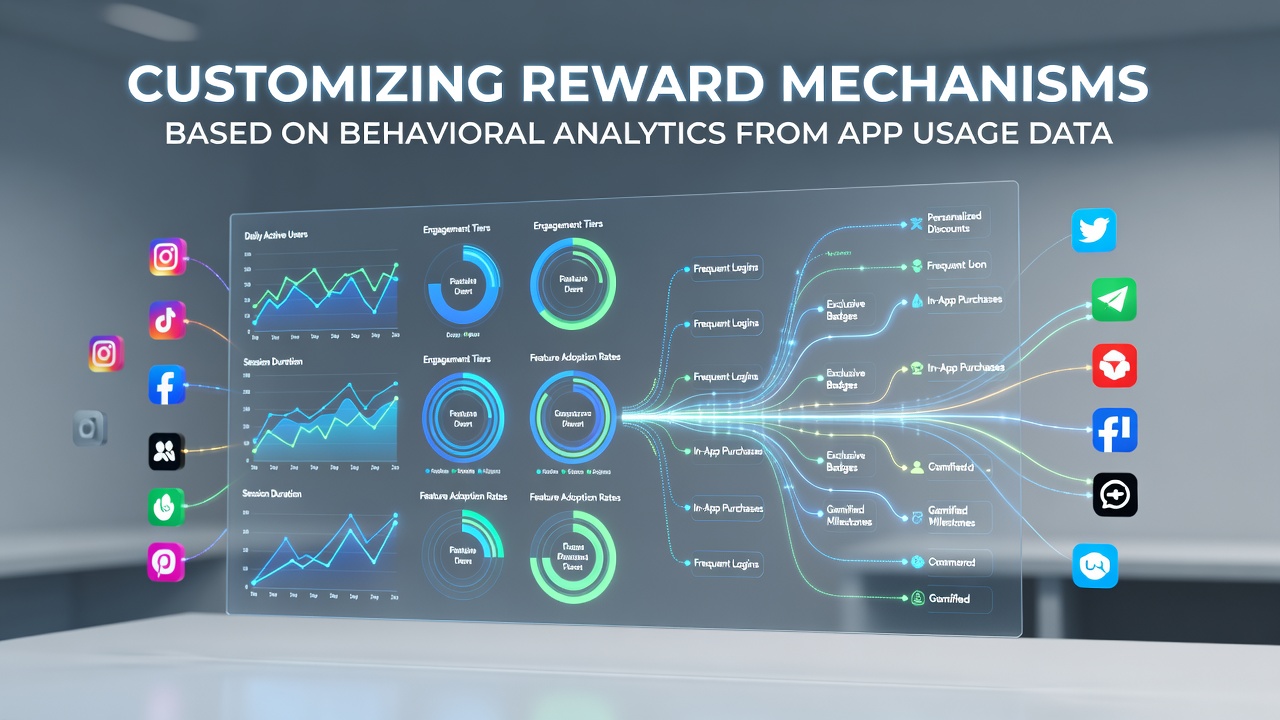
Platforms across digital services collect detailed app usage data to shape reward systems that align with observed user patterns, and this approach draws from metrics such as session duration, feature engagement frequency, and navigation sequences. Researchers track these elements through integrated analytics tools that log timestamps, interaction types, and progression rates without requiring manual input from users. Data aggregation occurs in real time, allowing systems to identify clusters of behavior that correspond to different engagement levels.
Data Collection and Processing Techniques
App developers implement event tracking libraries that capture granular actions like button taps, screen views, and in-app purchases while complying with regional data standards, and these records feed into centralized databases where algorithms segment users into cohorts based on activity profiles. Processing pipelines apply clustering methods to group similar patterns, such as frequent short sessions versus prolonged exploratory use, which then inform the design of targeted incentives. In August 2026 several platforms updated their pipelines to incorporate edge computing nodes that reduce latency during data synchronization across global user bases.
Customization Strategies for Reward Allocation
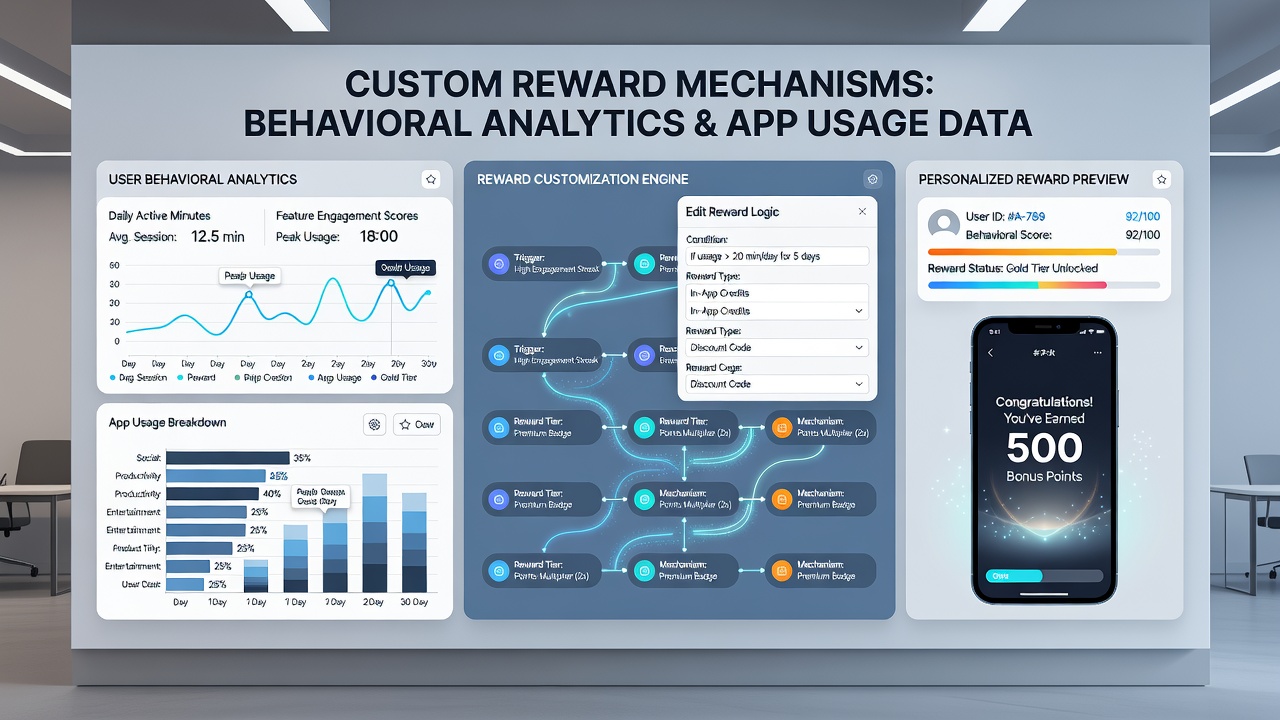
Systems map behavioral segments to specific reward tiers, assigning higher-value incentives to users who demonstrate consistent feature exploration while offering incremental bonuses to those with sporadic interaction histories, and this mapping relies on predictive models trained on historical usage datasets. Developers adjust parameters like reward frequency and type according to observed retention curves, ensuring that incentives encourage actions that extend session length or increase return visits. Observers note that such customization appears in loyalty programs where points accrue faster for users who complete tutorial sequences early in their app lifecycle.
Implementation Across Sectors
Mobile applications in entertainment and commerce sectors apply these methods to refine bonus structures, and examples include fitness apps that grant achievement badges tied to weekly activity streaks derived from sensor data alongside retail apps that issue personalized discounts based on browsing duration within product categories. Studies from academic institutions indicate that platforms using behavioral segmentation report measurable shifts in user retention rates when rewards match demonstrated preferences rather than uniform distribution models. One documented case involved a streaming service that altered its recommendation-linked credits after analysis revealed higher completion rates among users who favored evening access windows.
Regulatory and Privacy Considerations
Government agencies in multiple regions enforce guidelines that require transparent disclosure of data usage for reward personalization, and the Australian Competition and Consumer Commission has issued statements on consent mechanisms that affect how analytics inform incentive programs. Platforms must maintain audit trails that document the linkage between collected metrics and reward adjustments, while users retain options to opt out of certain tracking features without losing core app functionality. Research institutions have published reports showing that clear opt-in processes correlate with sustained data availability for analytics teams.
Technical Infrastructure Supporting Analytics
Cloud-based machine learning frameworks process incoming usage streams to generate real-time reward recommendations, and these frameworks integrate with existing app backends through API endpoints that trigger notifications or credit allocations upon pattern detection. Engineers optimize model accuracy by incorporating feedback loops where reward redemption rates refine future predictions, creating iterative improvements over successive update cycles. Data from sources such as the European Data Protection Board highlights the importance of anonymization techniques that preserve analytical utility while limiting individual identification risks.
Observed Outcomes in User Engagement
Industry reports compiled by trade associations reveal that customized reward systems often produce higher interaction volumes compared to static programs, particularly when analytics identify and address drop-off points in user journeys. Teams responsible for these implementations monitor key indicators including average revenue per user and feature adoption rates to validate the effectiveness of behavioral mappings. Adjustments made in response to seasonal usage shifts, such as increased evening activity during certain months, demonstrate how dynamic recalibration maintains relevance across changing conditions.
Conclusion
Behavioral analytics from app usage data continue to drive the evolution of reward mechanisms by providing actionable insights into user patterns, and platforms that integrate these approaches maintain structured processes for data handling, segmentation, and incentive delivery. Regulatory frameworks across regions guide implementation to balance personalization benefits with privacy protections, while technical advancements support scalable application of these methods. Continued refinement based on aggregated metrics positions such systems as standard components within modern app ecosystems.