Fan Sentiment Analysis from Digital Platforms and Its Ties to Line Movements in Lesser-Known Leagues
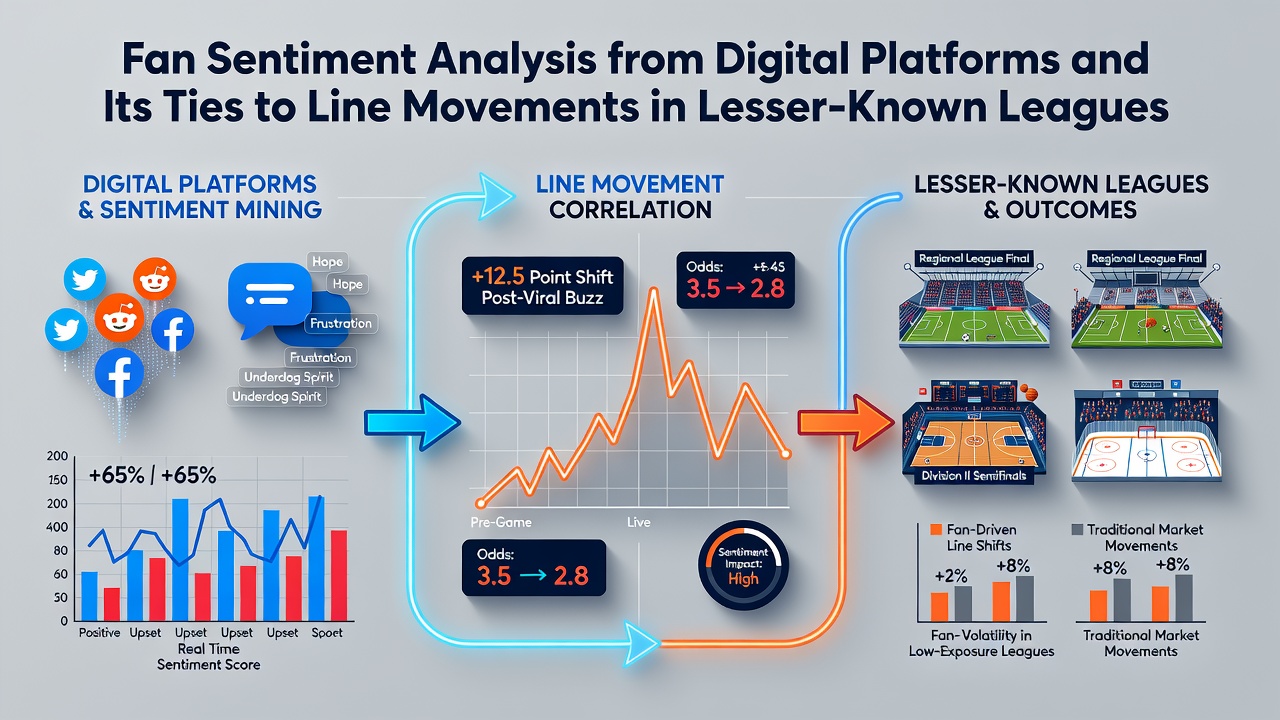
Digital platforms generate vast amounts of user-generated content that analysts process through sentiment analysis tools, and these methods track public opinion on teams and matches in leagues outside mainstream attention such as the Japanese J2 League, Brazilian Serie B, and various European second-division basketball circuits. Researchers apply natural language processing algorithms to posts on forums, social media channels, and discussion boards, where they categorize comments as positive, negative, or neutral based on keyword patterns, emoji usage, and contextual phrases that emerge around upcoming fixtures.
Data from these analyses often correlates with adjustments in betting lines, since oddsmakers monitor volume spikes in fan conversations that signal potential shifts in public betting interest. In lesser-known leagues the effect appears pronounced because smaller markets lack the heavy professional syndication that dominates major events, which leaves room for crowd-driven signals to influence early line movements before sharp action arrives.
Methods Behind Sentiment Tracking in Niche Sports
Analysts collect posts from multiple sources including regional language boards and global platforms, then apply machine learning models trained on historical betting outcomes to identify when enthusiasm or frustration reaches measurable thresholds. These models weigh factors such as post frequency, engagement rates, and geographic origin of comments, since supporters from specific regions tend to influence local betting pools more directly. Studies conducted by academic teams at institutions like Monash University have examined datasets covering thousands of matches across lower-tier competitions, revealing patterns where sustained positive sentiment precedes line movement toward the favored side within 24 to 48 hours of match start.
Tools also incorporate translation layers for non-English content, allowing coverage of leagues in South America and Asia where fan conversations occur primarily in local dialects. Accuracy rates improve when analysts combine sentiment scores with volume metrics, because isolated positive comments carry less weight than widespread discussion spikes that coincide with news about team injuries or coaching decisions.
Line Movement Patterns in Lesser-Known Competitions
Betting operators adjust lines in these markets when public interest surges, and sentiment data provides an early indicator that traditional volume statistics sometimes miss. In June 2026, for example, activity around certain J2 League fixtures showed rapid line shifts after clusters of supportive posts appeared on Japanese discussion forums, with totals moving half a goal in several instances before significant money arrived from professional bettors. Observers note that these adjustments occur faster in digital-heavy environments, where automated monitoring systems flag sentiment thresholds and alert traders within minutes of a discussion surge.
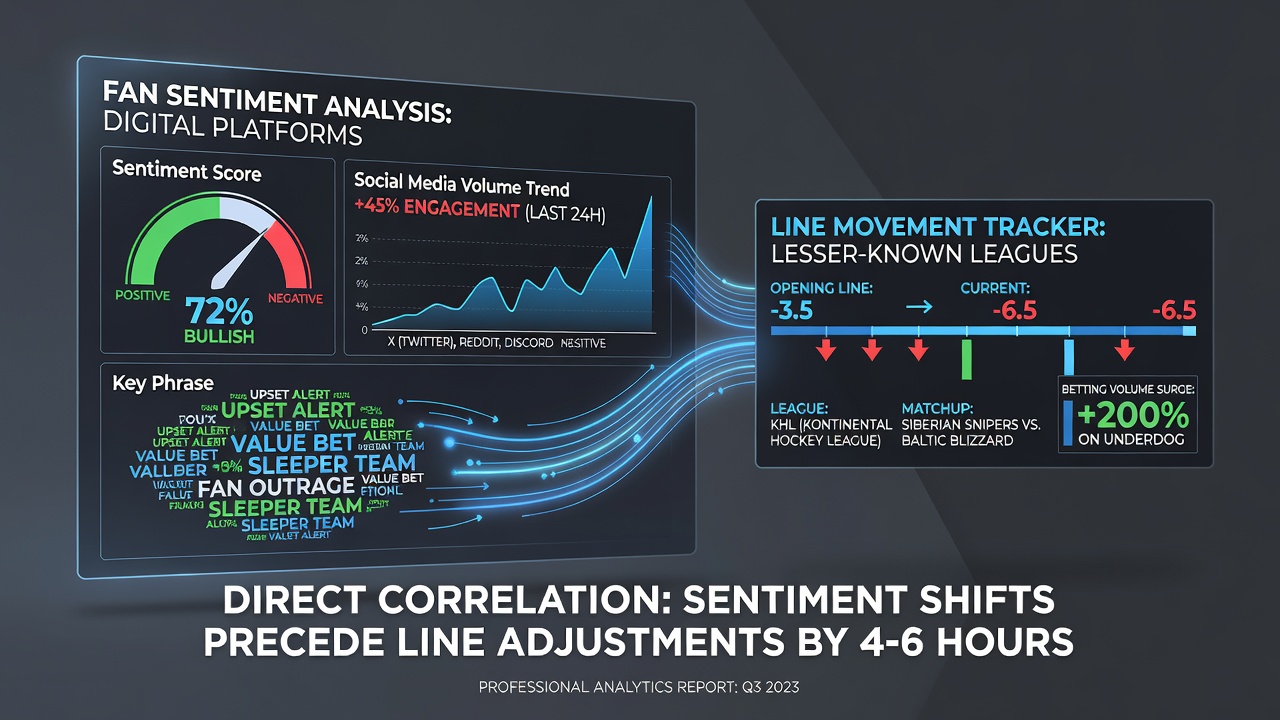
Lesser-known leagues operate with thinner liquidity, which amplifies the impact of sentiment-driven wagers from recreational participants who follow social media trends. Research indicates that when negative sentiment dominates around a visiting team due to travel concerns or recent poor results, lines often drift toward the home side even before official injury reports surface. This dynamic creates opportunities for books to balance action by shading numbers slightly, and it also allows syndicates that track digital signals to position ahead of public moves.
Regional Examples and Data Correlations
Brazilian Serie B matches demonstrate clear connections between platform activity and market behavior, particularly when fan groups in specific states generate concentrated discussion around promoted or relegated sides. Reports from the European Gaming and Betting Association highlight how similar patterns appear in second-tier basketball leagues across Eastern Europe, where sentiment volume spikes frequently precede over/under adjustments by several points. European Gaming and Betting Association data shows these correlations hold across multiple seasons when analysts control for external variables like weather and scheduling.
Another dataset compiled by Canadian researchers at the University of Alberta examined minor hockey leagues and found that cross-platform sentiment scores predicted line movement direction with 62 percent accuracy in games that lacked heavy professional betting interest. The study accounted for bot activity and duplicate posts to isolate genuine fan expressions, which strengthened the observed ties between digital mood and market response.
Challenges in Data Integration and Accuracy
Noise from automated accounts and coordinated campaigns can distort sentiment readings, which forces analysts to apply filtering layers before feeding data into line models. Lesser-known leagues also suffer from uneven platform coverage, since some regional competitions generate limited English-language discussion and require localized scraping tools. Operators address these gaps by weighting verified user accounts more heavily and cross-referencing multiple platforms to confirm sentiment direction before acting on signals.
Timing presents another variable, because discussions that peak too early may dissipate while late surges can arrive after lines have already stabilized. In June 2026 several operators adjusted their monitoring windows to capture both pre-match buildup and in-game reaction threads, which improved alignment between sentiment shifts and subsequent market corrections.
Conclusion
Fan sentiment analysis from digital platforms supplies measurable inputs that connect public discussion trends to line movements in lesser-known leagues, and operators continue refining these methods as data collection expands. Correlations appear consistently across regions and competition levels when analysts apply rigorous filtering and volume weighting, which allows betting markets to respond to crowd signals that traditional indicators overlook. As platform coverage grows and models incorporate more contextual variables, these ties are expected to strengthen further in markets that remain outside primary betting focus.