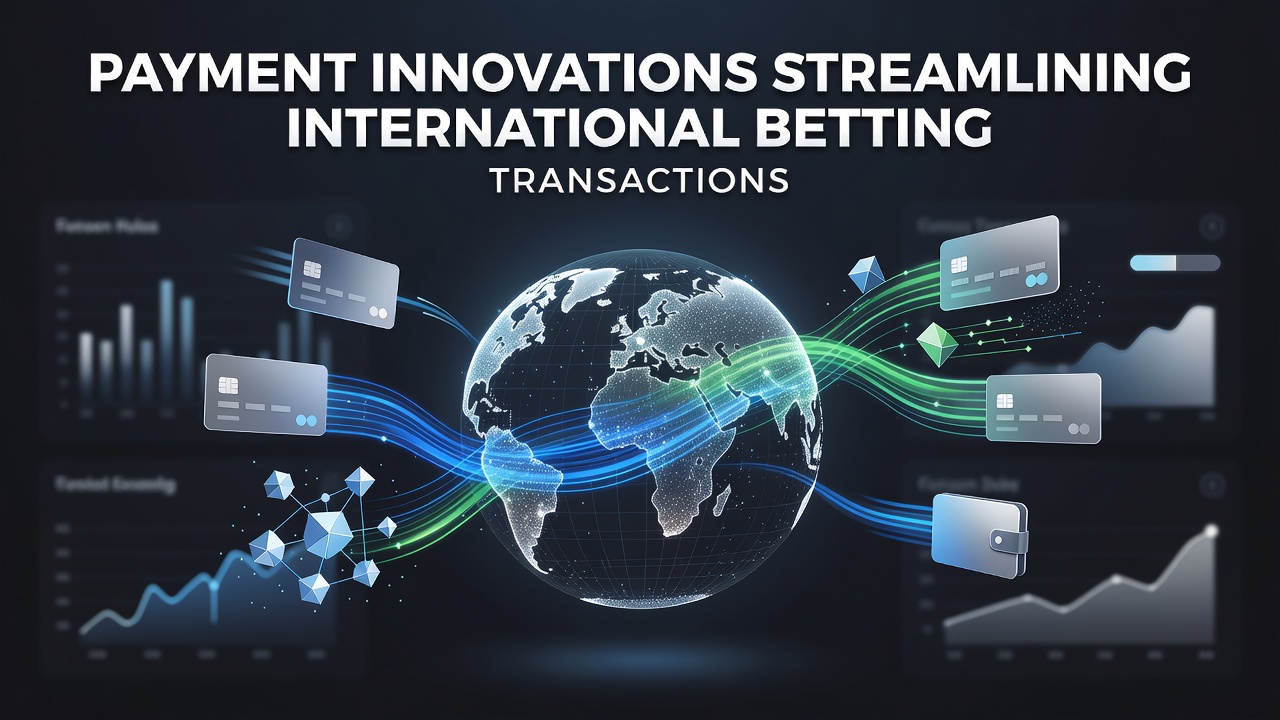
How Payment Innovations Are Streamlining International Betting Transactions
Payment systems for international betting have undergone rapid changes in recent years as operators and financial providers integrate new technologies to handle cross-border transfers more efficiently, and observers note that these developments address longstanding issues with delays, high costs, and regulatory compliance that once limited participation from various regions.
Traditional Barriers in Cross-Border Betting Payments
Before recent advancements, bettors faced extended processing times that stretched from several days to over a week for international deposits and withdrawals because banks relied on correspondent networks and manual verification steps, while currency conversion added layers of fees that often exceeded 5 percent according to industry reports from the Bank for International Settlements. Regulatory differences across jurisdictions further complicated matters since anti-money laundering checks required separate documentation for each country involved, which slowed transaction approval and increased error rates in regions with strict capital controls.
Key Innovations Driving Efficiency
Digital wallets and instant payment rails now allow users to complete deposits in under a minute even when moving funds from one continent to another because these platforms connect directly to local banking systems through APIs that bypass traditional intermediaries. Open banking frameworks, which gained wider adoption after 2023 updates in multiple markets, enable verified account-to-account transfers that maintain full audit trails without exposing sensitive card details, and data from the European Central Bank shows these methods reduced failed transaction rates by nearly 40 percent in participating economies by July 2026.
Blockchain-based settlement layers have also entered the picture for operators handling large volumes of international wagers since they provide near-real-time reconciliation across different time zones while embedding compliance checks into smart contracts that flag suspicious patterns automatically. Research from academic institutions tracking payment flows indicates that these systems lowered operational overhead for platforms by integrating with existing banking partners rather than replacing them outright.
Regulatory Alignment and Security Enhancements
Governments and financial watchdogs have worked alongside technology providers to create standardized verification protocols that satisfy multiple jurisdictions simultaneously, which means a single identity check can now support transactions in both North American and Asian markets. Security features such as tokenization and biometric authentication have become standard because they reduce fraud incidents while preserving transaction speed, and figures from regulatory bodies in Canada reveal that platforms adopting these measures saw dispute volumes drop significantly during the first half of 2026.
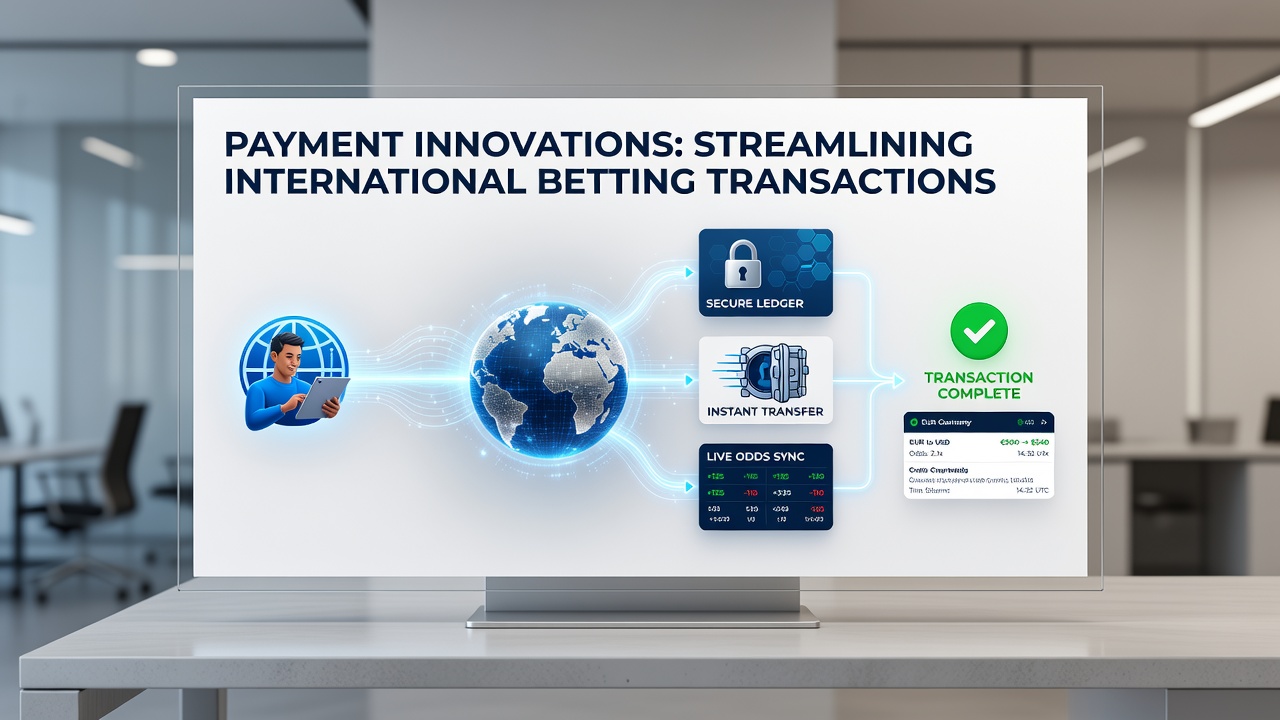
Operators who integrated these tools report smoother reconciliation processes because automated reporting feeds directly into compliance dashboards used by oversight agencies, and this integration eliminates the need for manual data exports that previously delayed month-end audits.
Impact on Bettor Experience and Market Reach
Users in emerging markets gain access to a broader range of platforms once payment friction decreases because lower minimum transfer amounts and faster confirmation times encourage smaller, more frequent transactions. Industry associations tracking adoption patterns note that regions with strong instant payment infrastructure, such as parts of Southeast Asia and Latin America, experienced measurable increases in active international accounts during 2025 and into mid-2026.
Multi-currency support embedded in modern wallets further reduces conversion losses since users can hold balances in several denominations and convert only when advantageous, while embedded rate-locking features protect against volatility during the brief window between deposit initiation and settlement.
Conclusion
Payment innovations continue to reshape how international betting transactions occur by combining faster rails, stronger compliance tools, and reduced costs into unified systems that serve both operators and users across borders. As these technologies mature through 2026 and beyond, observers expect further integration with emerging standards that prioritize speed alongside security and regulatory alignment.