Regulatory Impacts on Peer-to-Peer Wagering Platforms in Emerging Markets
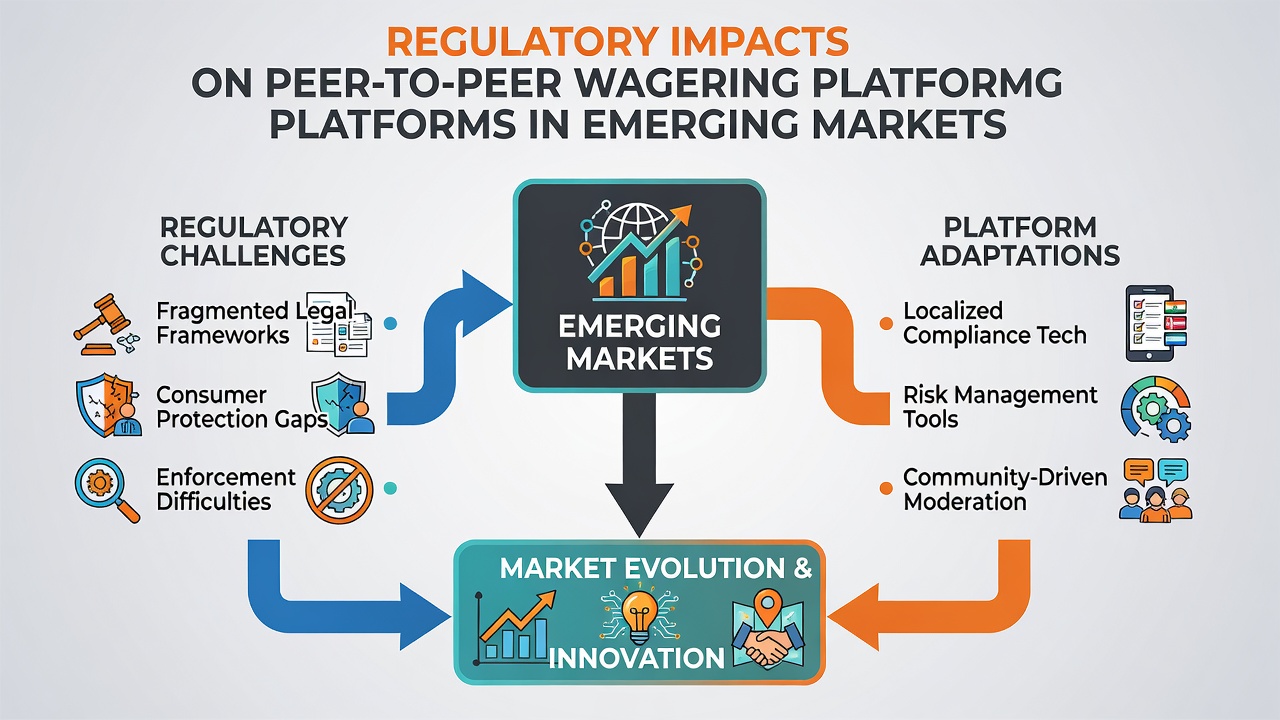
Peer-to-peer wagering platforms have expanded rapidly across emerging markets where digital infrastructure supports user-to-user betting exchanges, and regulatory bodies in these regions continue to refine rules that shape market access, licensing requirements, and operational standards. Governments in Latin America, Africa, and parts of Asia have introduced frameworks that address tax collection, user verification, and anti-money laundering measures, which directly influence how platforms structure their services and how participants engage with them.
Framework Developments Across Key Regions
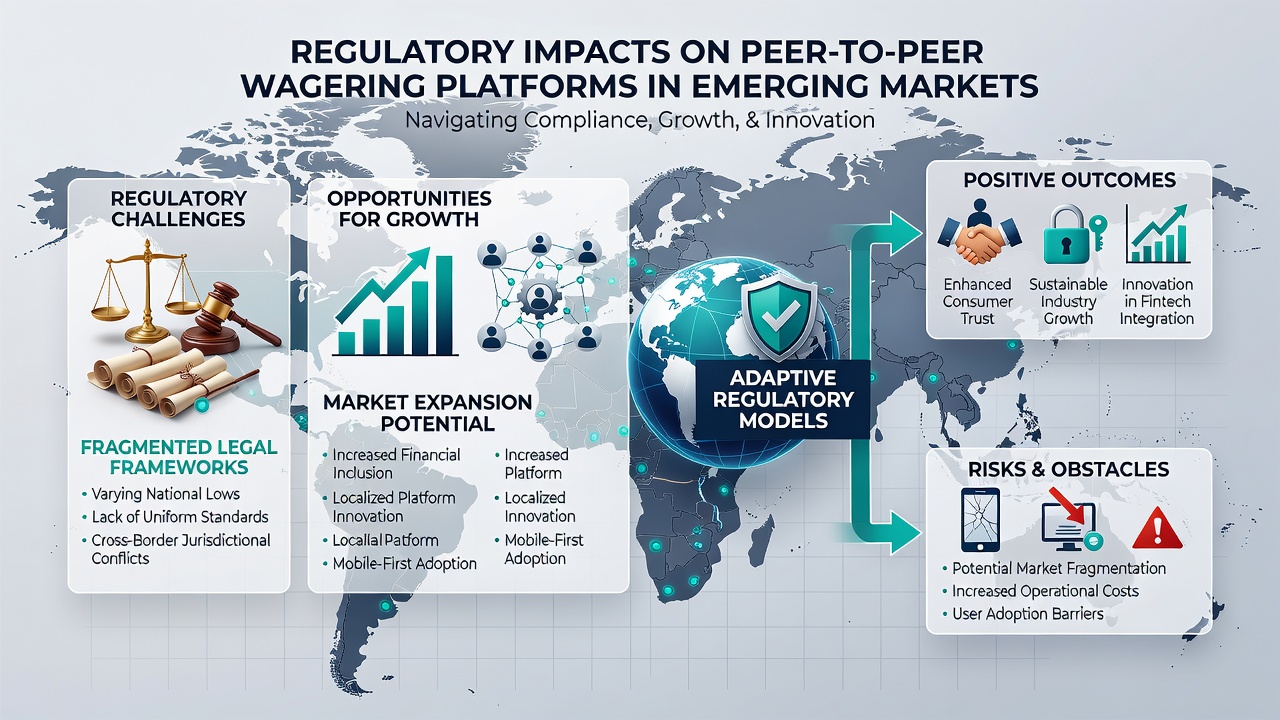
Regulatory authorities have moved to classify peer-to-peer models separately from traditional bookmakers in several jurisdictions, which creates distinct licensing pathways that often require platforms to demonstrate secure matching algorithms and transparent settlement processes. In Brazil, recent updates effective by August 2026 require operators to integrate with national payment systems for real-time reporting, while similar provisions in Kenya mandate local data storage that raises infrastructure costs for international providers. These measures aim to integrate wagering activity into formal financial oversight without prohibiting user-driven markets.
Observers note that compliance burdens fall heaviest on smaller platforms, where the expense of third-party audits and ongoing monitoring can limit entry for new competitors, yet larger exchanges have adapted by forming partnerships with regional banks to meet capital reserve thresholds. Data from industry reports shows that licensing approval times average six to nine months in these markets, during which platforms must submit detailed risk assessments covering fraud prevention and responsible gambling tools.
Effects on User Access and Platform Operations
Verification protocols tied to national identity systems have altered registration flows on many peer-to-peer sites, requiring users to upload government-issued documents before placing or accepting bets. This process reduces anonymous participation but also introduces delays that some markets experience during peak event periods. Platforms respond by deploying automated document checks that connect directly to government databases, which streamlines onboarding while satisfying regulatory audits.
Taxation structures vary widely, with some countries applying fees at the point of transaction settlement and others taxing platform revenue separately from user winnings. Research indicates that dual taxation models in certain Asian jurisdictions have prompted exchanges to adjust fee structures, passing portions of the cost to participants through wider spreads on matched bets. Such adjustments influence volume on lower-liquidity events where margins already sit thin.
Technology Adaptations and Compliance Tools
Operators have integrated geolocation services and API connections to regulatory portals that allow real-time monitoring of transaction patterns flagged for review. These systems help platforms maintain active licenses by demonstrating adherence to spending limits and self-exclusion lists shared across multiple operators. Academic studies from regional universities highlight that such shared databases reduce instances of users bypassing restrictions by switching platforms, although implementation timelines differ by country.
What's interesting is how emerging-market regulators increasingly reference international standards when drafting local rules, drawing on frameworks from bodies like the International Association of Gaming Regulators. This alignment facilitates cross-border cooperation on enforcement while still allowing each jurisdiction to tailor thresholds for minimum deposit amounts and maximum exposure per user. Platforms that operate across borders therefore maintain separate compliance teams for each active market to handle divergent reporting formats.
Market Responses and Future Trajectories
Industry associations in South Africa and Colombia have published guidance documents that outline best practices for data encryption and dispute resolution mechanisms, which many platforms now embed into their user agreements. These voluntary standards often precede formal mandates and give operators time to test systems before deadlines arrive. Figures released in mid-2026 show steady growth in licensed peer-to-peer volume despite tighter rules, suggesting that regulated environments can sustain activity when infrastructure supports smooth compliance.
According to a report from the Colombian Gaming Commission, coordinated licensing rounds have brought more than a dozen new exchanges into the formal market since 2024, each meeting updated capital and technology requirements. A separate analysis by researchers at the University of Johannesburg examines how these changes affect liquidity distribution across event types, noting shifts toward higher-volume competitions where matching occurs more rapidly.
Conclusion
Regulatory evolution in emerging markets continues to balance revenue generation with consumer safeguards as peer-to-peer platforms adapt their technology stacks and business models to meet evolving standards. Continued monitoring of approval rates, transaction volumes, and enforcement actions will reveal how these frameworks settle into stable operating environments across diverse regions.