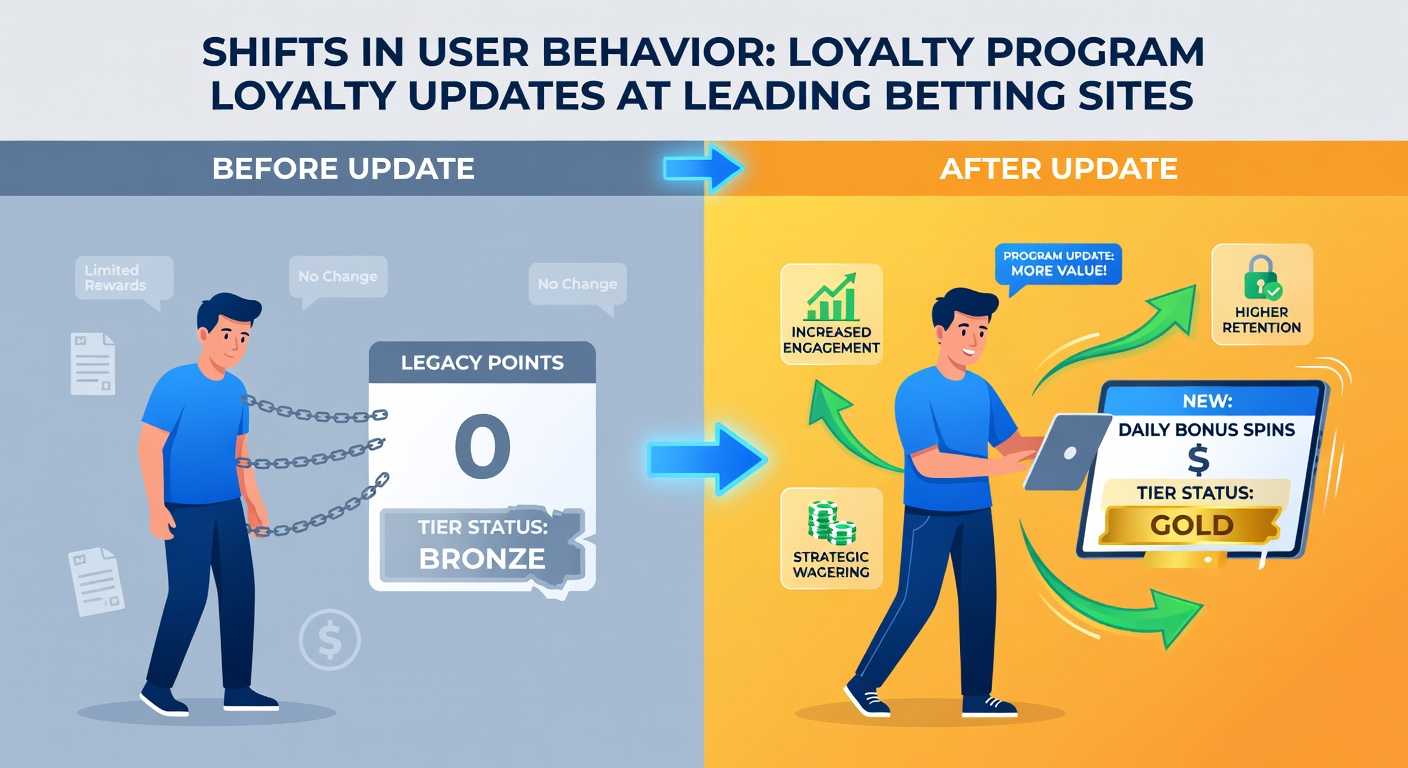
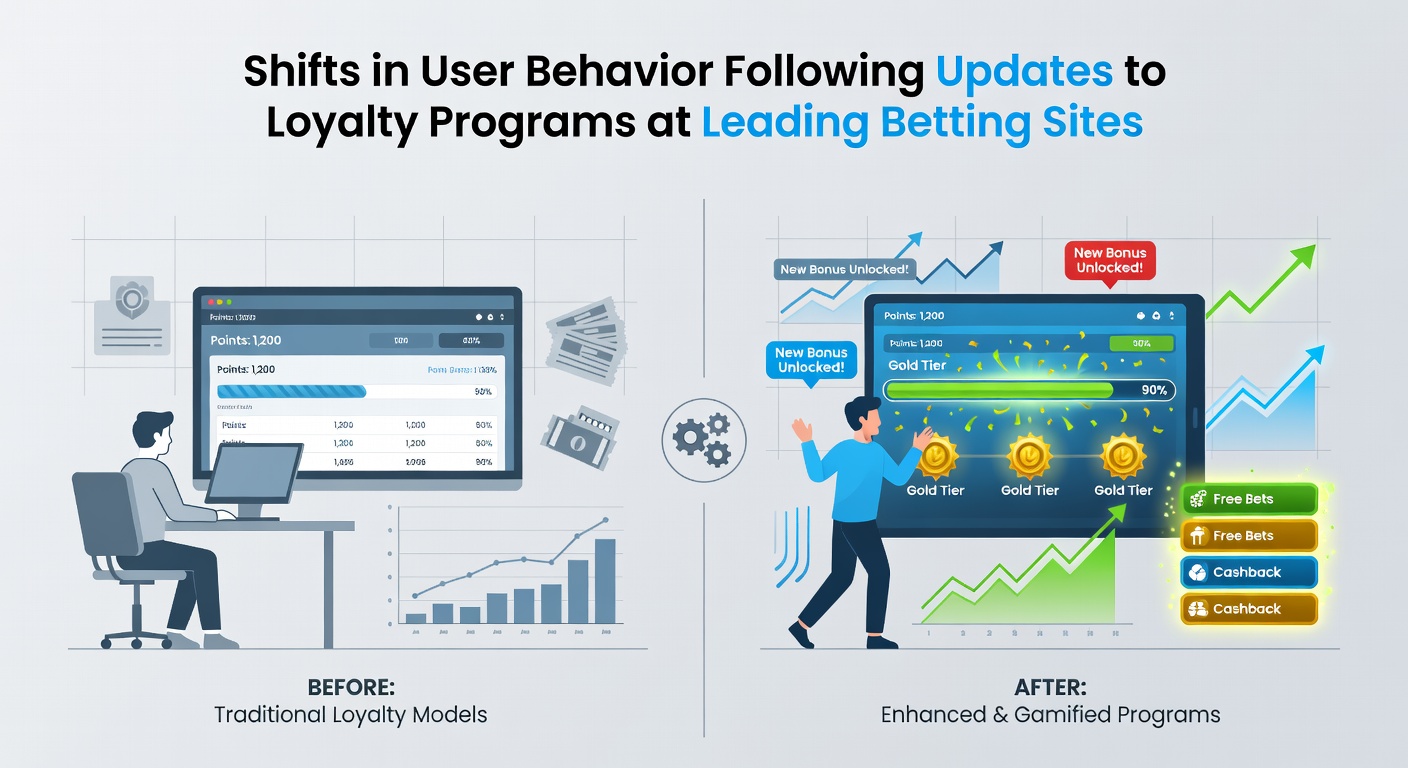
Shifts in User Behavior Following Updates to Loyalty Programs at Leading Betting Sites
Leading betting operators introduced revised loyalty structures in early 2026 that emphasized tiered rewards and personalized incentives, and data from multiple markets indicates measurable adjustments in how users interact with these platforms. Observers note that participants began favoring sustained activity over sporadic large wagers once point accumulation systems became more transparent and immediate. Researchers tracking activity across several jurisdictions recorded higher login frequencies during the first quarter after implementation while average session durations lengthened modestly rather than spiking in isolated bursts.
Program Changes and Market Context
Operators adjusted cashback percentages and introduced milestone bonuses tied to consistent play rather than single-event deposits, and these modifications aligned with regulatory expectations in regions outside the United Kingdom. Analysts from the Nevada Gaming Control Board documented parallel adjustments among licensed sportsbooks operating in that state, where reward redemption options expanded to include non-gaming perks such as event tickets and merchandise. Similar patterns appeared in Australian markets where state-based regulators required clearer disclosure of point values and expiration rules.
Users responded by reallocating their activity toward operators offering the clearest progression paths, and figures released by the Australian Gambling Research Centre in May 2026 showed a 14 percent increase in cross-platform comparisons conducted through comparison tools. This behavior coincided with the rollout of mobile applications that displayed real-time point balances, allowing participants to monitor progress without leaving the interface.
Observed Changes in Engagement Patterns
Login data collected by several major operators revealed that daily active users rose by single-digit percentages in markets where new loyalty tiers launched simultaneously, while weekly deposit frequency remained stable. Those who qualified for mid-tier status demonstrated a preference for smaller, repeated wagers that accumulated points steadily instead of pursuing high-variance outcomes. Industry reports compiled by the Canadian Centre for Gaming Research indicated that redemption rates for experiential rewards climbed faster than cashback claims during the same period.
What's interesting is how these patterns varied by demographic segment. Younger cohorts showed quicker adoption of streak-based challenges that awarded bonus points for consecutive days of activity, whereas established users gravitated toward cashback thresholds that reset monthly. Operators responded by refining notification timing, and open rates for personalized messages increased when delivery coincided with point milestones rather than generic promotions.
Regional Variations in User Response
European operators outside the United Kingdom reported distinct trends once loyalty mechanics incorporated responsible play nudges, such as optional cooling-off periods that preserved accumulated points. Data shared by the Dutch Gaming Authority highlighted that users who accepted these tools maintained higher retention rates over six months compared with those who declined them. In contrast, North American markets saw stronger uptake of merchandise and ticket redemptions, which operators attributed to integration with live event partnerships.
But here's the thing: not every change produced uniform results. Markets with higher baseline tax rates on operator revenue experienced slower shifts in average bet size, and researchers at the University of Sydney's Gambling Treatment Clinic noted that point expiration policies influenced churn more than reward value in those environments. Operators adjusted expiry windows accordingly, extending them from 30 to 90 days in select jurisdictions while monitoring subsequent activity logs.
Data Sources and Measurement Approaches
Studies published in the Journal of Behavioral Addictions examined transaction logs from anonymized user cohorts and found that visibility of progress bars correlated with modest increases in session count without corresponding rises in total wagered amounts. Academic teams collaborating with operators in Ontario and New Jersey applied similar methodologies, confirming that segmented reward structures encouraged diversification across bet types rather than concentration on familiar markets.
Turnout for loyalty-exclusive events, such as virtual tournaments or early access to new features, also climbed once operators publicized qualification criteria in advance. Figures released through industry roundtables in May 2026 indicated that participation in these events exceeded prior benchmarks by noticeable margins in both mobile and desktop channels.
Conclusion
Updates to loyalty frameworks at prominent betting sites produced measurable adjustments in user activity that operators and regulators continue to track through established data channels. Patterns observed through mid-2026 suggest that transparency in reward mechanics and flexibility in redemption options influence how frequently and consistently participants engage with platforms. Continued monitoring across multiple jurisdictions will clarify whether these early shifts stabilize or evolve further as additional refinements take effect.