Tracing Cryptocurrency Adoption Patterns and Their Effects on Transaction Efficiency Within International Wagering Ecosystems
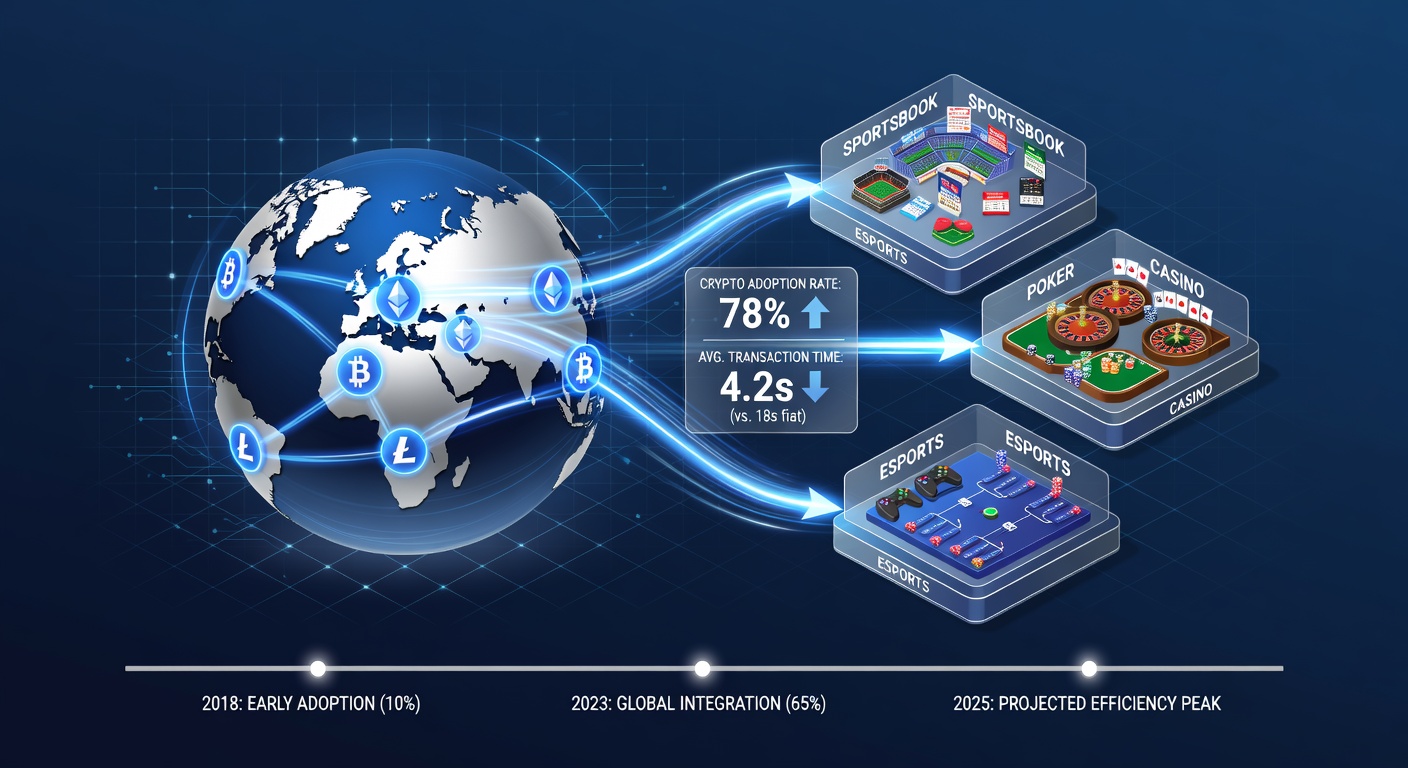
Patterns of cryptocurrency adoption in international wagering have accelerated since the early 2020s, driven by blockchain capabilities that support cross-border payments without traditional banking intermediaries. Observers note that platforms operating in multiple jurisdictions began integrating assets such as Bitcoin and stablecoins around 2021, with usage expanding as regulatory frameworks clarified in several regions.
Regional Adoption Patterns Through 2026
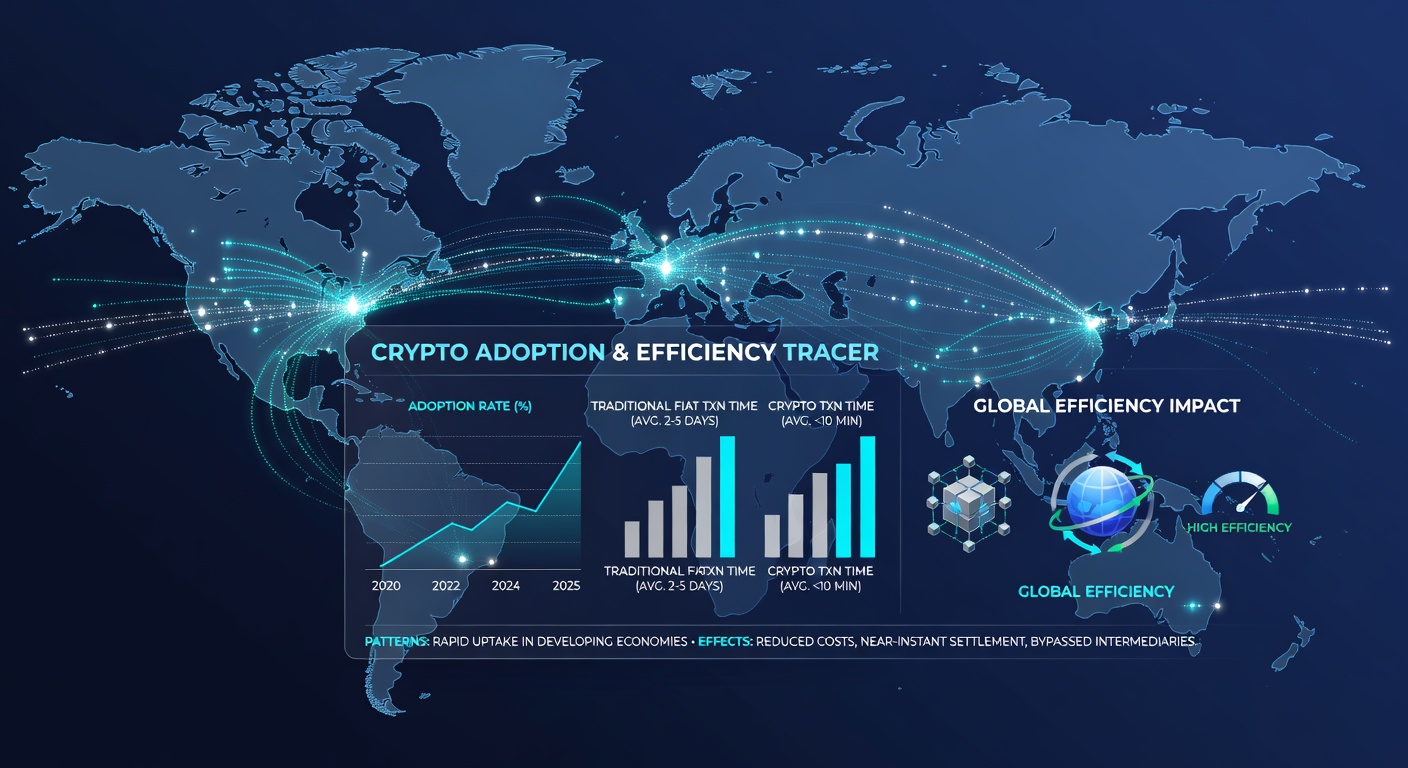
Data collected up to May 2026 shows distinct geographic clusters where crypto integration moved fastest. In parts of Latin America and Southeast Asia, wagering operators adopted digital assets earlier because local banking systems often imposed high fees or delays on international transfers. European markets followed a more measured pace after updates to the Markets in Crypto-Assets regulation took effect in 2024, which provided clearer licensing pathways for service providers handling both gaming and digital currencies. North American operators showed uneven uptake, with offshore-facing sites leading while domestic platforms waited for state-level guidance.
Researchers tracking wallet activity found that volume from wagering-related addresses grew steadily between 2023 and 2025, then plateaued in early 2026 as several major exchanges tightened compliance screening. Those who analyzed on-chain data observed that stablecoin transactions accounted for the majority of recent growth because price volatility concerns prompted users to favor assets pegged to major currencies.
Measured Impacts on Transaction Processing
Transaction efficiency gains appear most clearly in settlement speed and cost reduction. Traditional wire transfers across borders frequently required two to five business days and incurred fees ranging from 3 to 7 percent, whereas blockchain confirmations for major cryptocurrencies complete in minutes once network congestion remains moderate. Wagering platforms that shifted settlement to these rails reported average payout times dropping below one hour for verified accounts, according to internal metrics shared with industry analysts.
Cost structures also changed. Operators that previously absorbed foreign-exchange spreads and intermediary charges found direct wallet-to-wallet transfers eliminated several layers of fees, though network gas costs still fluctuate with overall blockchain demand. Studies examining 2025 transaction logs indicated that platforms routing at least 40 percent of international payouts through stablecoins reduced operational banking expenses by measurable margins, while maintaining comparable or lower chargeback rates.
Operational Adjustments by Platform Operators
Operators responded to these patterns by updating treasury management systems to handle multiple digital assets alongside fiat rails. Multi-signature wallets and automated compliance screening tools became standard features, allowing real-time monitoring of deposit sources without slowing user onboarding. In May 2026 several platforms introduced programmable smart-contract options that automatically release winnings once predefined conditions, such as match results verified by oracle feeds, are met.
Those managing risk departments noted that on-chain transparency sometimes simplified audit trails, yet it also required new expertise in tracing wallet histories to satisfy anti-money-laundering obligations. Training programs for compliance staff expanded accordingly, focusing on tools provided by blockchain analytics firms rather than legacy banking software alone.
Regulatory and Infrastructure Influences
Government agencies outside traditional gambling regulators shaped these developments. The European Central Bank occasional paper series documented how crypto-asset service provider rules influenced cross-border payment flows into gaming accounts. Meanwhile, the Reserve Bank of Australia bulletin examined stablecoin usage in remittance corridors that overlap with wagering activity. Both publications highlighted that clearer licensing reduced friction for compliant operators while maintaining oversight of large-value transfers.
Infrastructure improvements also mattered. Layer-2 scaling solutions deployed on major blockchains lowered per-transaction costs and increased throughput, enabling platforms to handle peak betting volumes during major sporting events without congestion delays. Observers tracking network statistics recorded average confirmation times falling below 30 seconds on several upgraded protocols by spring 2026.
Conclusion
Tracing these adoption patterns reveals consistent efficiency gains in speed and cost for international wagering transactions, tempered by ongoing needs for compliance infrastructure and regulatory coordination. As data from May 2026 demonstrates, operators that aligned crypto integration with evolving licensing regimes achieved measurable improvements in settlement performance while continuing to meet jurisdictional requirements across multiple markets. Continued monitoring of on-chain metrics and regulatory updates will show whether these trends sustain or shift in response to new technological and policy developments.